The Polisario Front's Attempts to Acquire Drones
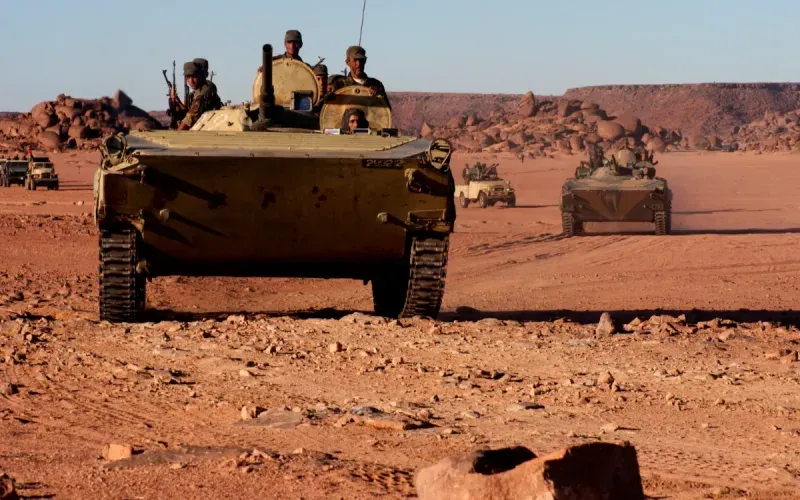
When the armed struggle in Western Sahara resumed in 2020, it did not take long for the Polisario leadership to realise that the SPLA could not simply pick up where it had left off in 1991. Over the past decades, a great deal had changed on the enemy’s side.
Along the Wall of Shame, Morocco has deployed state-of-the-art ground radars, infrared cameras, acoustic sensors, automated artillery and modern fire-control systems. The regime has also bought modern American combat aircraft such as the F-16 and acquired advanced drones such as the MQ-9 Reaper, although the US currently does not allow their use in Western Sahara. The adversary used the years of the ceasefire to rearm and keep up with the times.
At the same time, the Polisario Front prepared very little and apparently slept through technological progress. While other movements dug tunnels and prepared to protect themselves against drones, the military leadership of the Polisario Front drank tea and trained an average of 400 new recruits a year as infantrymen who knew neither what a drone was nor how to protect themselves against one.
This may be because the Polisario Front believed in a peaceful solution and hoped that the referendum would still take place. It may also be because the political-military system of the Polisario Front suffered crippling damage after the crisis of 1988, from which it never recovered.
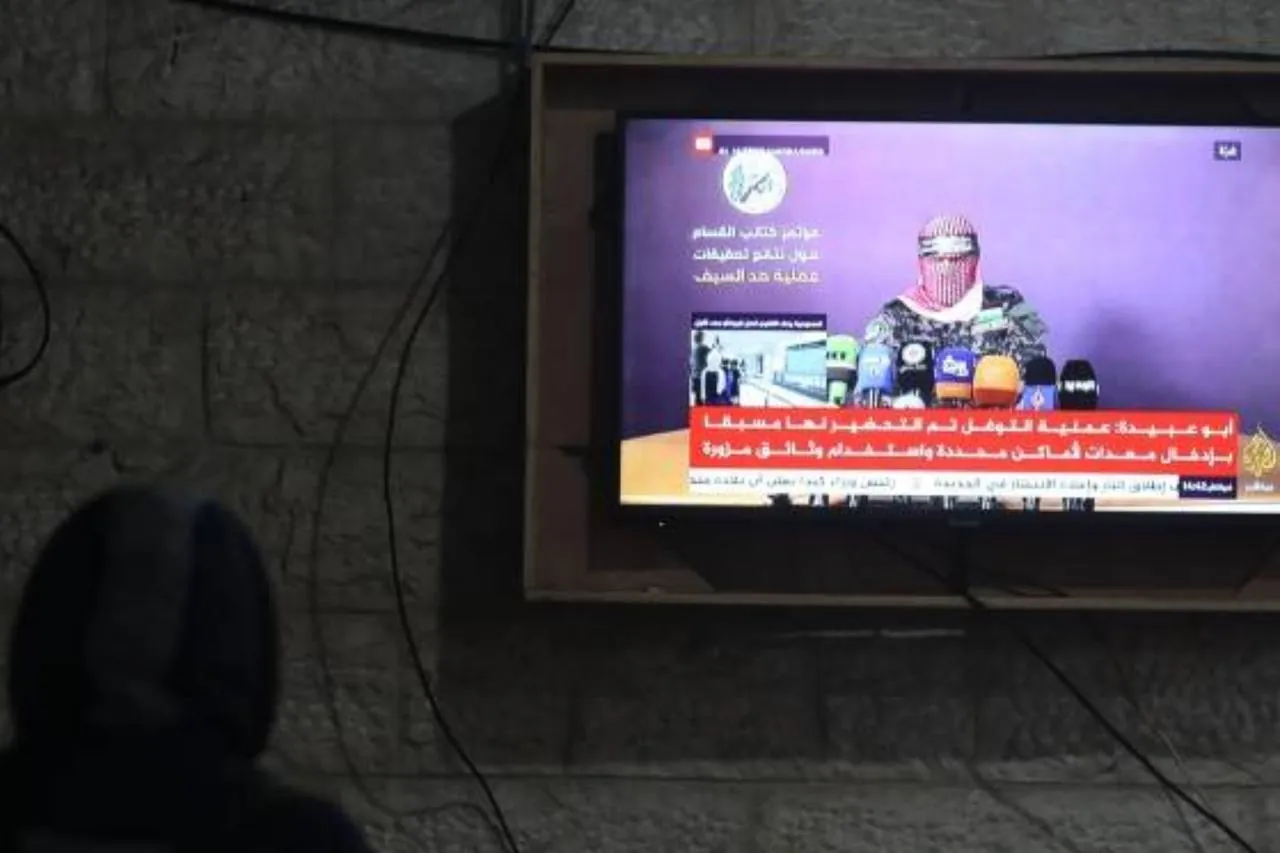
Still, the military leadership was not living under a rock. For 30 years it had time to follow Al Jazeera, drink tea, and watch the West gradually adapt its way of war to the guerrilla tactics of movements in the Middle East, relying more and more on targeted killings with armed drones.
In 2001, the Predator was armed with Hellfire missiles in the war in Afghanistan, and in 2002 the first CIA drone strike followed in Yemen. In 2007, the MQ-9 Reaper added a considerably larger armed model. In parallel, Israel developed its own drones, the Heron and the Hermes 450, which were used for reconnaissance in the 2006 Lebanon war and for reconnaissance and strikes in the Gaza wars of 2008/2009 and 2014.
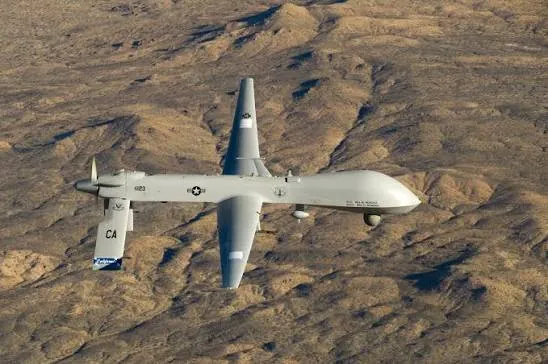
American Predator drone
In 2011, NATO attacked Libya, and Iran captured a US RQ-170. In 2014, the Turkish Bayraktar TB2 was introduced and from 2015 onwards was used against the PKK in Syria and Iraq. In 2019 and 2020, the TB2 was used in the Libyan war. In 2020, Azerbaijan used the TB2 and the Harop against Armenia in the Nagorno-Karabakh war. A UN report also mentions a possibly autonomous attack by a Kargu-2 in Libya in the same year.
It is remarkable that the political and military leadership of the Polisario Front deliberately moved step by step towards a confrontation with Morocco in 2019 and 2020 without preparing any air defence. One might almost call it naive. By then, every movement in the region knew that war had changed since the 1990s. Anyone who has neither anti-aircraft missiles nor trained personnel builds tunnels or bunkers at the very least. The Polisario Front, however, has neither modern air defence nor tunnels or bunkers.
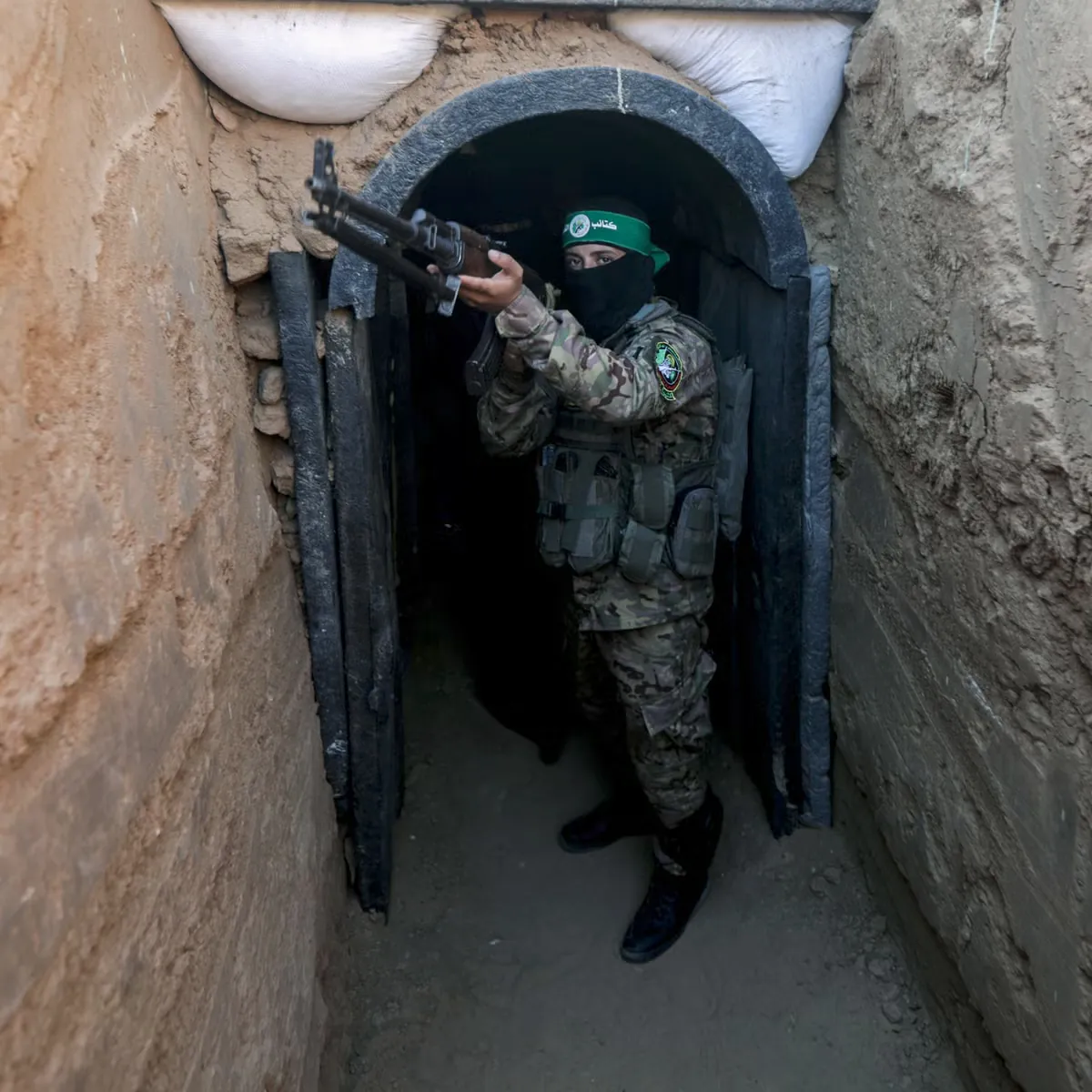
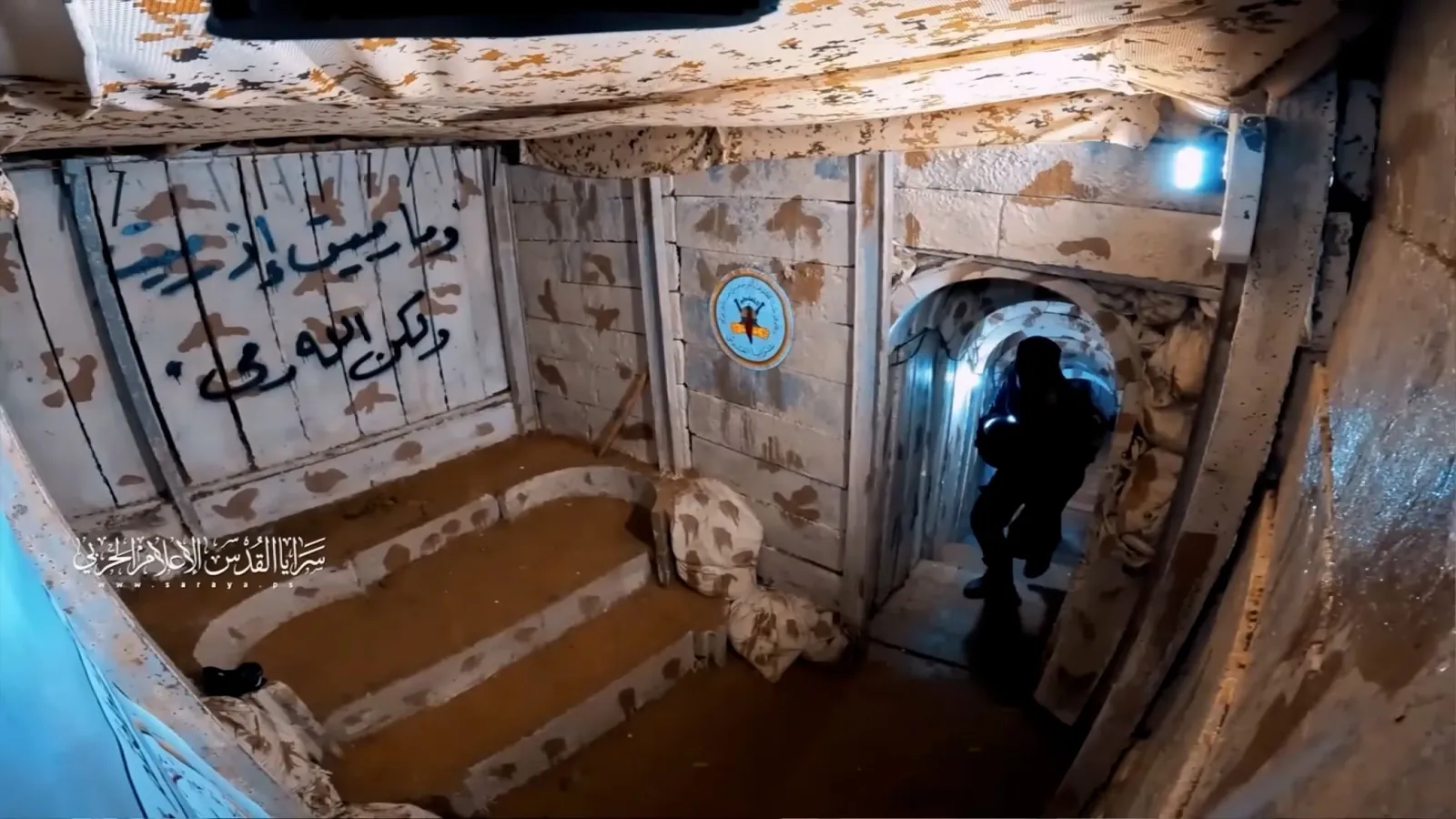
Hamas tunnel
When the armed struggle resumed, the SPLA’s entire arsenal stood in the open desert, just waiting to be bombed. That is exactly what happened from January 2021: the enemy launched a drone campaign against units, equipment and bases. Within a very short time, the military regions lost dozens of BMPs and BM-21 Grads as well as buildings and off-road vehicles. This caused panic in the ranks of the SPLA, the troops were busy evacuating heavy equipment from the military regions, and the population in the camps was demoralised.
Another consequence can still be felt today. The men who poured into the military schools by the thousands in November 2020 had to be held back. They came with great fighting spirit and high motivation to take part in the armed struggle. At the same time, units are being withdrawn from the front because they are defenceless against the drones. Most of the new recruits are sent home, put off with the promise of a posting in the security forces, or sent abroad for further training.
There is still hope of being able to counter the drones. Instead of coordinating with friendly movements and working out how to get out of this difficult situation without tunnels and bunkers, the Polisario Front is trying with every means available to fight the drones blindly, without knowledge or experience. So far, nobody in the SPLA knows exactly which drones the adversary is using with which missiles, or what their technical characteristics such as range and operating altitude are.
The wildest rumours circulated, from “the drones can only hit stationary targets” to “they can detect the anti-aircraft missiles”. Dozens of desperate attempts were made with Strela-2 missiles from 1980s stocks and with QW-2 and QW-18 missiles from newer stocks. There was also at least one attempt with a radar-guided SA-6 missile, which damaged an enemy drone but did not bring it down. It will take years for the SPLA to understand what drones can actually do and how to protect against them.
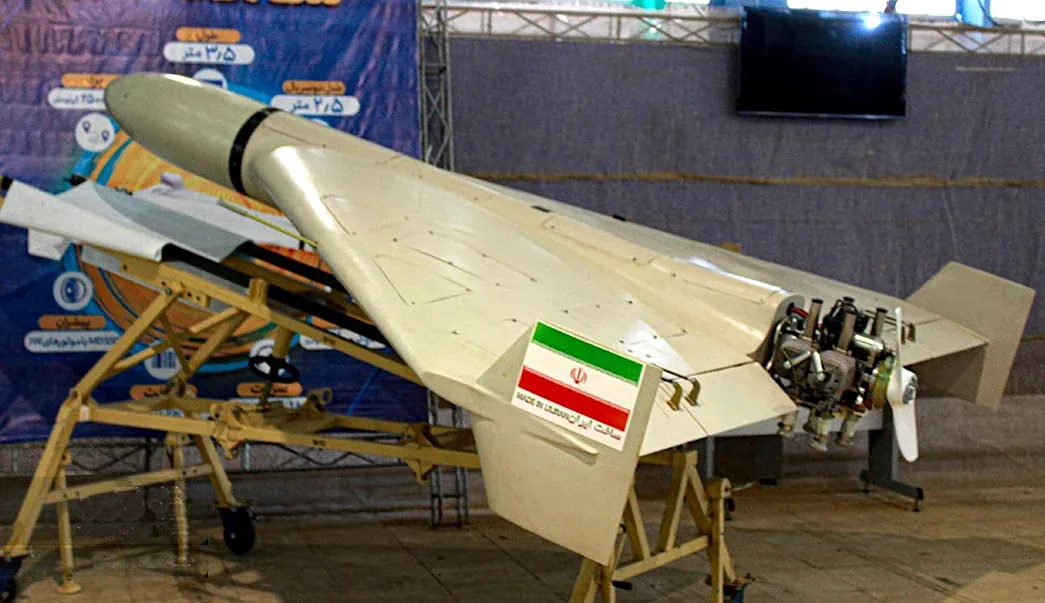
In 2022, Russia used the Iranian Shahed-136, later known as the Geran-2, in Ukraine. Since 2022, FPV drones have become the most important weapon on the front lines in Ukraine. In 2023 and 2024, resistance groups in Myanmar built their own FPV drones. They were followed by the PKK/SDF in Syria, Hezbollah in Lebanon, Hamas in Palestine, the Azawad in Mali, militias in Libya and the Houthis in Yemen. The list is endless.
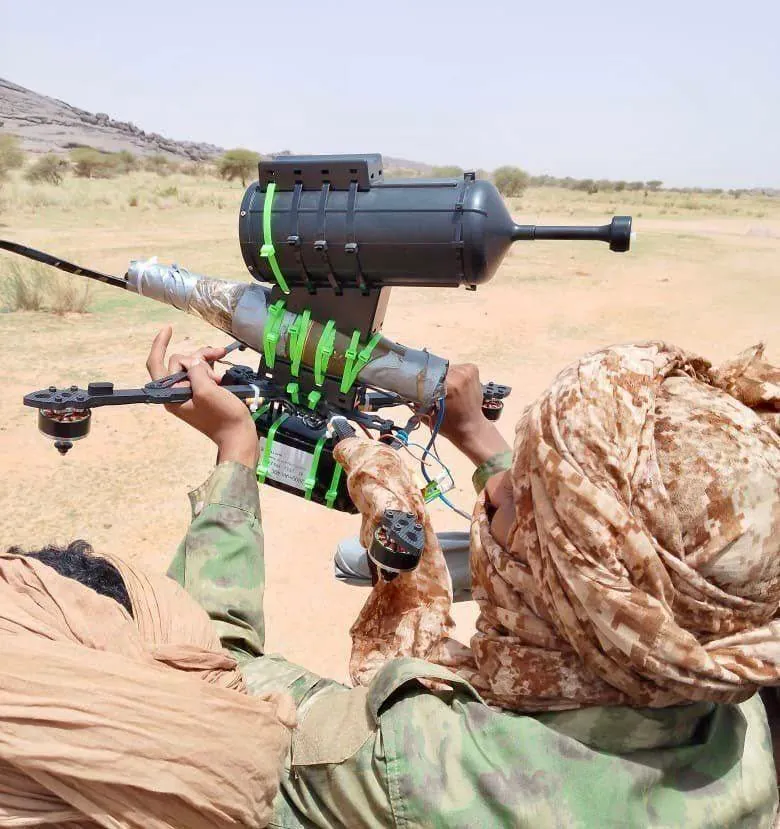
FPV drone in the hands of an FLA terrorist in Mali
One might think the SPLA would be no exception. Unfortunately, it is: As things stand today, the Polisario Front is the only movement in the world fighting an active war without drones of its own. After six years of war and safe exile in Algeria, the Polisario Front has not produced even FPV drones, which small groups build cheaply themselves, usually under constant danger on active sections of the front.
Does this mean the Polisario Front has not tried, or has no interest in acquiring drones? No, quite the opposite: there is great interest in the ranks of the SPLA and in the leadership.
On this question, we have to distinguish between the fighters in the military regions and the political-military leadership of the Polisario Front. Both the fighters and the leadership obviously want to get drones. But the leadership is intimidated by enemy propaganda and US threats, while the fighters want to acquire drones whatever the consequences.
The Polisario Front’s first attempt to get drones took place in 2023. A group of motivated volunteers procured a few commercial DJI drones. They crashed on a section of the front because the enemy was using GPS jammers. As a result, the group was no longer taken seriously and the project was shut down. The volunteers were sent home and branded as good-for-nothings.
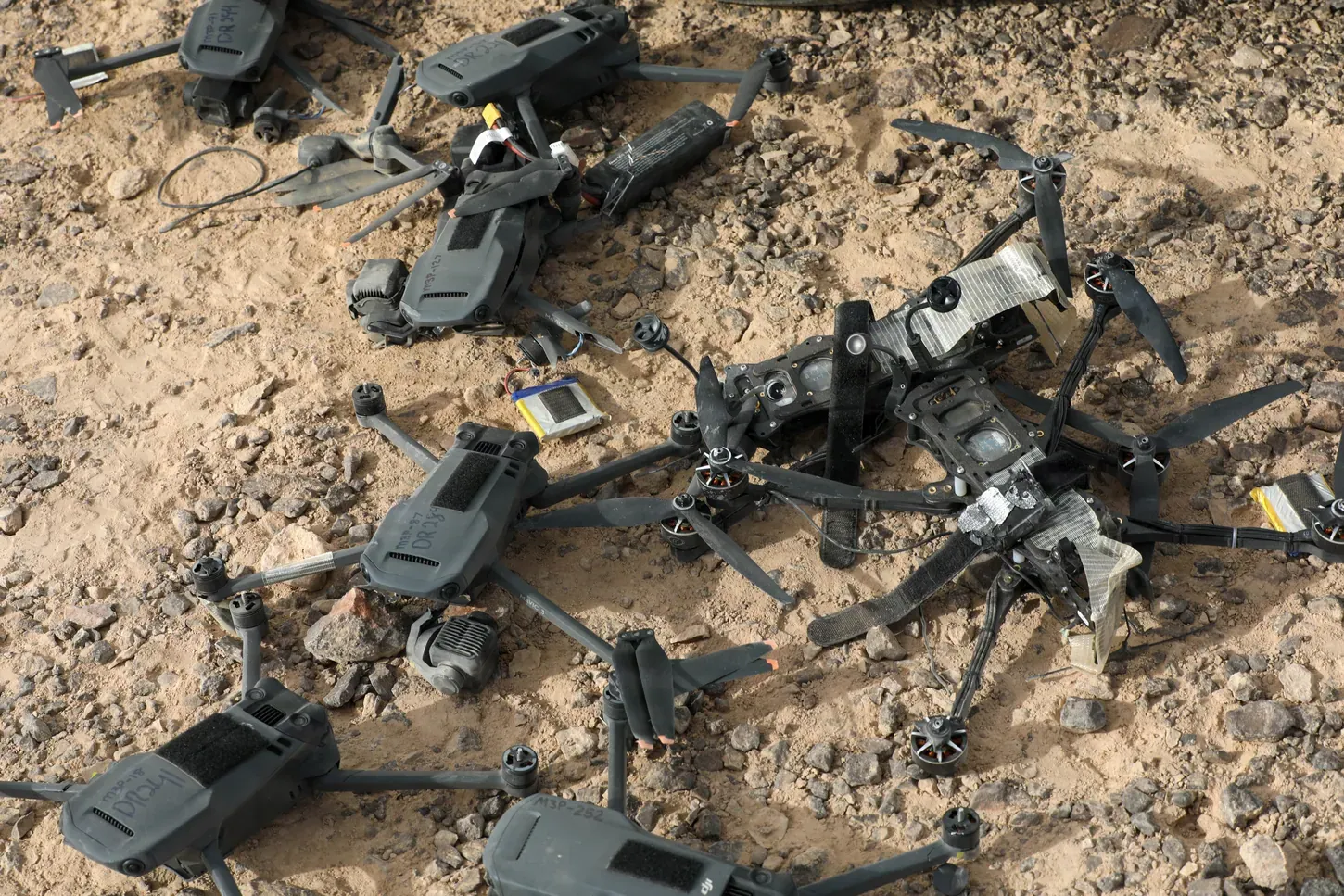
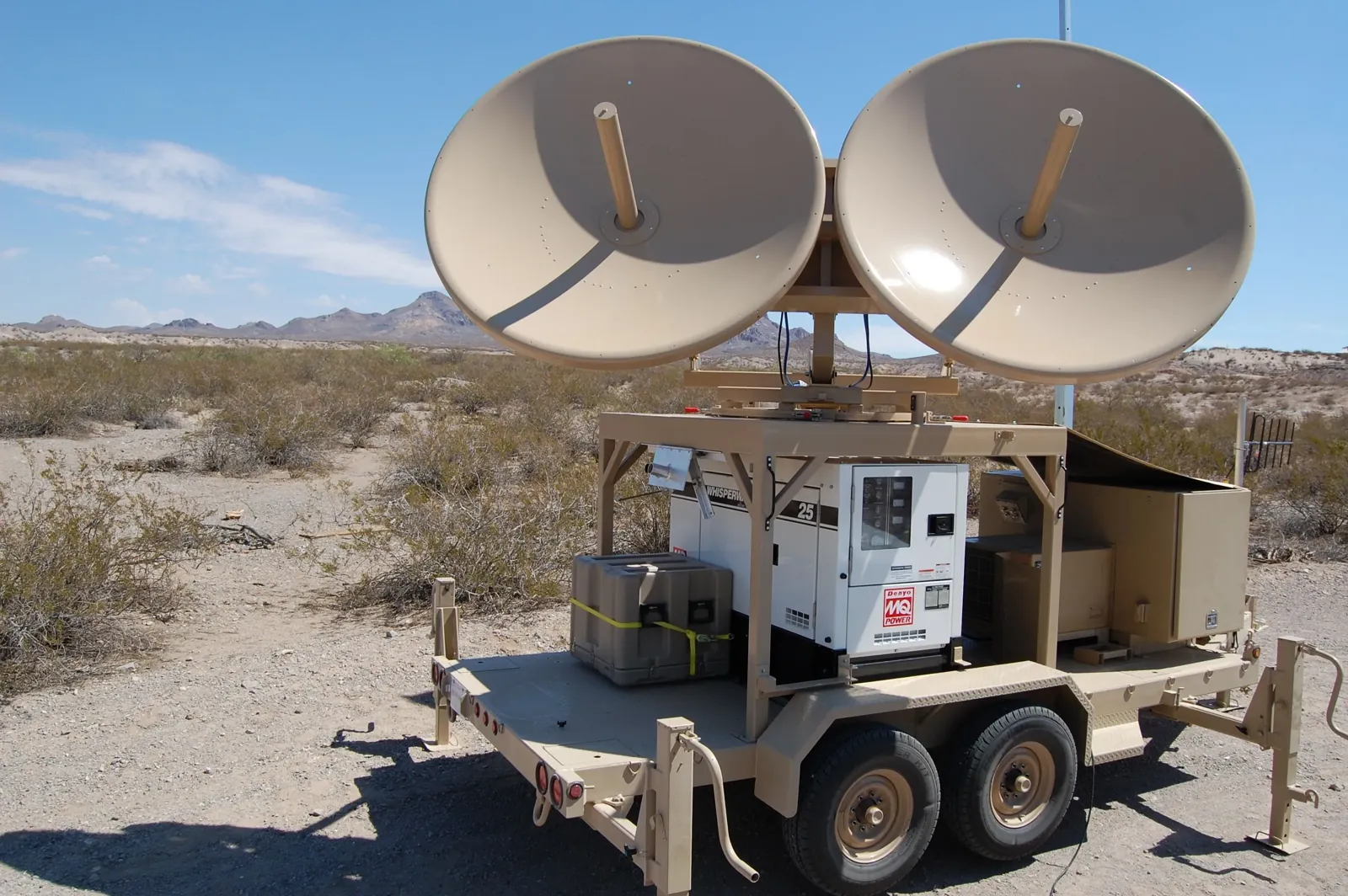
Only a good-for-nothing could fail to understand that this technology has to be tried and learned. The enemy uses GPS jammers and jamming like any other country. In Ukraine we see how GPS jamming is used and circumvented. If you lose a GPS-dependent drone during an operation, you take a GPS-independent one, for example an analogue FPV drone, switch to another frequency when facing jammers, or use fibre optics.
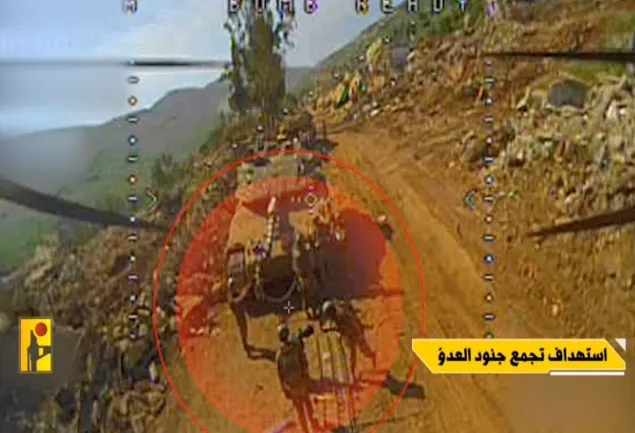
Hezbollah fibre-optic drone during an attack on the occupying power
Drones are consumables. “Either it works on the first try or we abandon everything” is not a strategy.
The second attempt to get drones followed shortly afterwards. It was considerably more spectacular, but all the more regrettable.
A member of the General Secretariat of the Polisario Front had the will, but neither technical knowledge nor military experience. He put together a team of about ten young soldiers with technical skills. These hand-picked young men were to build up and develop the drone programme of the Popular Front. They drew up a plan that looked promising and seemed to be getting off the ground.
The cadre was not really interested in a sustainable programme, but in scoring a domestic political success as quickly as possible, winning the upcoming election and becoming Secretary-General. That is precisely what doomed the drone programme. He received a budget of about USD 600,000, which he hastily transferred to fraudsters on the black market, on the promise that he would receive hundreds of ready-to-use Ukrainian FPV drones and materials for building FPV drones. Instead, a shipment of scrap arrived. His programme was dissolved, the team sent home, and he became a laughing stock.
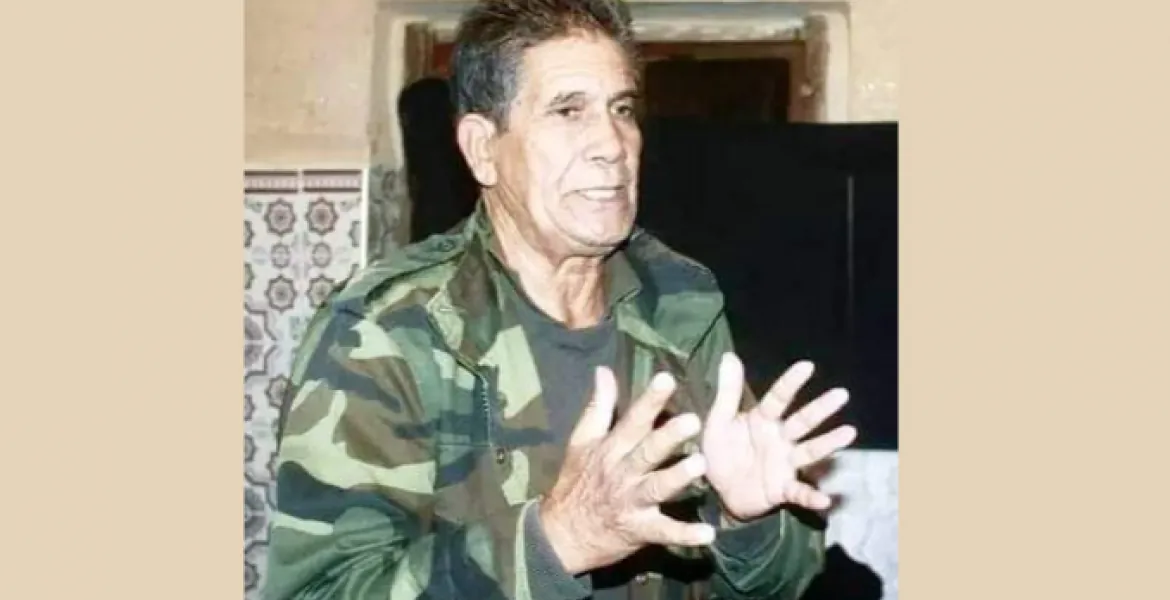
Bachir Mustafa Sayed, member of the General Secretariat of the Polisario Front

Why would a senior Polisario cadre go to the black market to buy FPV drones? Why did he not order the drones from China or Russia? Was he really that naive and blinded by Ukrainian propaganda? Were there instructions from the General Secretariat not to source drones from China or Russia for fear of sanctions, as some speculate? Even though the SPLA’s entire arsenal, old and new, comes entirely from China and Russia. Or was it really pure stupidity?